Apartments That Accept Evictions in Dallas
Before you request help with an eviction or broken lease
We can help with only one property debt from an eviction or broken lease: if it is unpaid, it must be at least 3 years old; if it is paid off, we can help regardless of how recent it is.
We cannot help with multiple property debts. Each apartment community makes its own approval decision; approval is not guaranteed.
An eviction on your record changes the apartment search, but it does not end it. The useful question is not whether a property calls itself a “second chance apartment.” It is whether its current written rental criteria fit the facts of your situation.
A OK Apartment Locators is a licensed Texas real estate brokerage. Our service is free to renters because participating apartment communities pay us when a client signs a lease. We do not screen applicants, make approval decisions, or guarantee approval. We help you focus on communities whose published criteria may be a realistic match, so you can avoid wasting time and nonrefundable application fees.
What “second chance apartments” really means
“Second chance apartments” is a search phrase, not an official housing category. There is no permanent master list of Dallas apartments that accept every eviction. Criteria differ by property, management company, balance owed, case outcome, and time since the event. They can also change.
That is why an old list from a website or social-media post is not enough. Before you apply, ask the leasing office for its current written rental criteria and explain your situation accurately.
Know what is actually on your tenant screening report
An eviction filing is not the same as a judgment
A filing means a court case was opened. The case may later have been dismissed, settled, or decided. A judgment means the court reached a decision. Tenant screening reports can contain incomplete or incorrect outcomes, so keep any documents that show what happened in your case.
How long eviction information may appear
The Consumer Financial Protection Bureau says eviction court cases may appear on a tenant screening report for up to seven years. It also explains that lawsuits and judgments generally may be reported for seven years or until the applicable statute of limitations expires, whichever is longer. Read the CFPB guidance on tenant screening records for the current federal overview.
If a report contributed to a denial
A denial, higher deposit, or other unfavorable decision based on a tenant screening report may trigger federal adverse-action rights. The property should identify the screening company, and you can request a free copy of the report within 60 days and dispute inaccurate information. The CFPB explains these steps in its rental application denial guide.
What apartment communities may consider
The eviction is usually only one part of an application. A property’s written criteria may also address:
- How long ago the case occurred and how it ended.
- Whether money is still owed to a previous landlord.
- Current income and verifiable employment.
- Rental history since the event.
- Credit history and other screening results.
- Whether a guarantor or additional deposit is permitted under the property’s policy.
No single factor guarantees a result. Ask the leasing office what it requires before you pay, and do not rely on a verbal promise that contradicts written criteria.
Documents to gather before you apply
- A government-issued photo ID.
- Recent pay stubs, an offer letter, or other acceptable proof of income.
- Contact information for your employer and current or previous landlords.
- Court paperwork showing the final outcome of the eviction case.
- Written proof that a former-landlord balance was paid, settled, or placed on a payment plan.
- A short, factual explanation of what happened and what has changed.
- References, if the property accepts them.
If you have never worked with a locator, see how A OK’s apartment locating process works.
Protect your application fees
Tell the leasing office about the issue before you apply. Ask for current written rental criteria and confirm that staff understand whether your record shows a filing, a dismissal, or a judgment. Be accurate about income, rental history, and court records. False documents or invented references can create bigger problems than the original issue.
Watch for these warning signs
- Guaranteed approval. A locator cannot make the property’s decision.
- Fake-document offers. Never buy pay stubs, employment records, or landlord references.
- Pressure to pay by wire, gift card, or payment app before you have verified the property and read the lease.
- An apartment locator charging you an upfront placement fee. A person who expects compensation for locating an apartment in Texas generally must hold a real estate license. You can verify that rule and search licenses through the Texas Real Estate Commission.
When to get legal help
A OK provides apartment locating services, not legal advice. Talk with a qualified lawyer or legal-aid organization if you are currently facing eviction, believe a screening report contains an error you cannot correct, or think unlawful discrimination affected a housing decision.
Frequently Asked Questions
Can I rent an apartment in Dallas with an eviction on my record?
We can help with only one property debt from an eviction or broken lease: if it is unpaid, it must be at least 3 years old; if it is paid off, we can help regardless of how recent it is. We cannot help with multiple property debts. Each apartment community makes its own approval decision; approval is not guaranteed.
How long does an eviction stay on a tenant screening report?
The CFPB says eviction court cases may appear for up to seven years. Lawsuits and judgments generally may be reported for seven years or until the applicable statute of limitations expires, whichever is longer. State rules and the facts of a report can vary.
What is the difference between an eviction filing and a judgment?
A filing means a case was opened. A judgment means the court reached a decision. A filed case may also be dismissed or settled, so keep documents that show the final outcome.
Should I tell the apartment about the eviction before I apply?
Yes. Ask for written rental criteria and explain the situation accurately before paying an application fee. This helps you avoid applying where the published criteria clearly do not fit.
What if I still owe money to a previous landlord?
For A OK to help with an unpaid eviction or broken lease, it must be at least 3 years old and it must be your only property debt. A payment plan still counts as unpaid until the balance is paid off. If your one property debt is paid off, we can help regardless of its age. Bring written proof of payment; the property still decides whether to approve your application.
Does A OK Apartment Locators charge renters?
No. Our apartment locating service is free to renters because participating apartment communities pay us when a client signs a lease.
Can A OK guarantee that I will be approved?
No. Each apartment community applies its own criteria and makes its own decision. We can help you search more efficiently and prepare the information a property asks for, but we cannot promise an outcome.
Meet the one-property-debt policy above? Tell us what you need, including when the issue happened and whether the balance is paid off. We cannot help with an unpaid issue under 3 years old or with multiple property debts.
Dallas-area apartments to ask us about
We can help with only one property debt from an eviction or broken lease: if it is unpaid, it must be at least 3 years old; if it is paid off, we can help regardless of how recent it is. We cannot help with multiple property debts. Each apartment community makes its own approval decision; approval is not guaranteed. These listings are starting points to discuss, not a promise that a community will accept your rental history.
 The KatyDallas, TXFrom $2,320/mo1-2 · Built 2017
 Monarch Hall ParkFrisco, TXFrom $2,426/mo1-2-3 · Built 2023
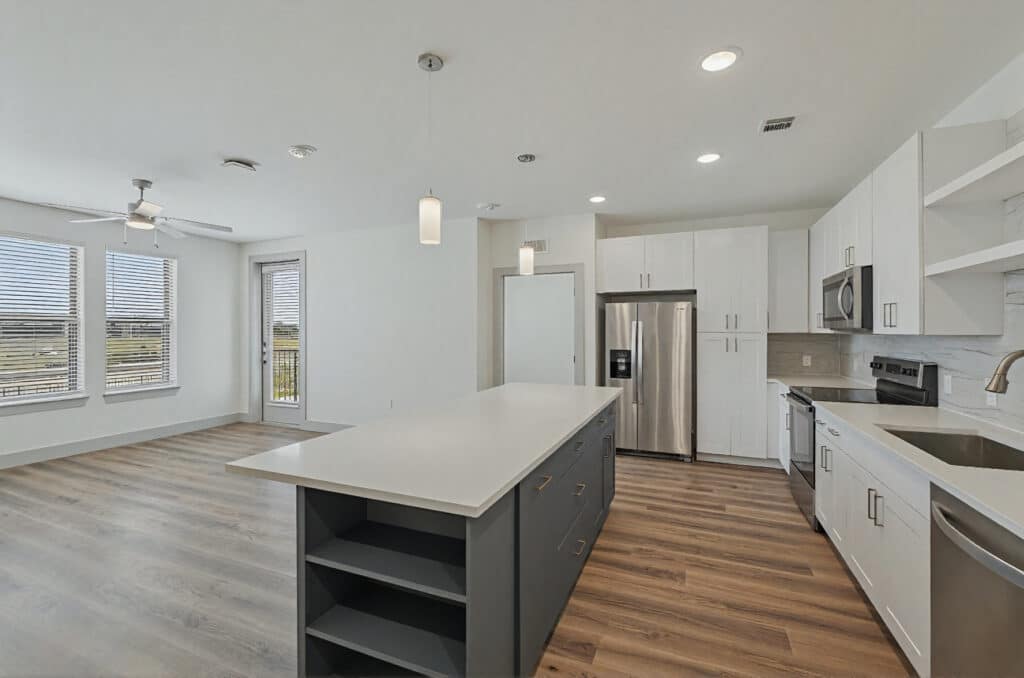 AVE Las ColinasIrving, TXFrom $1,935/mo1-2 · Built 2020
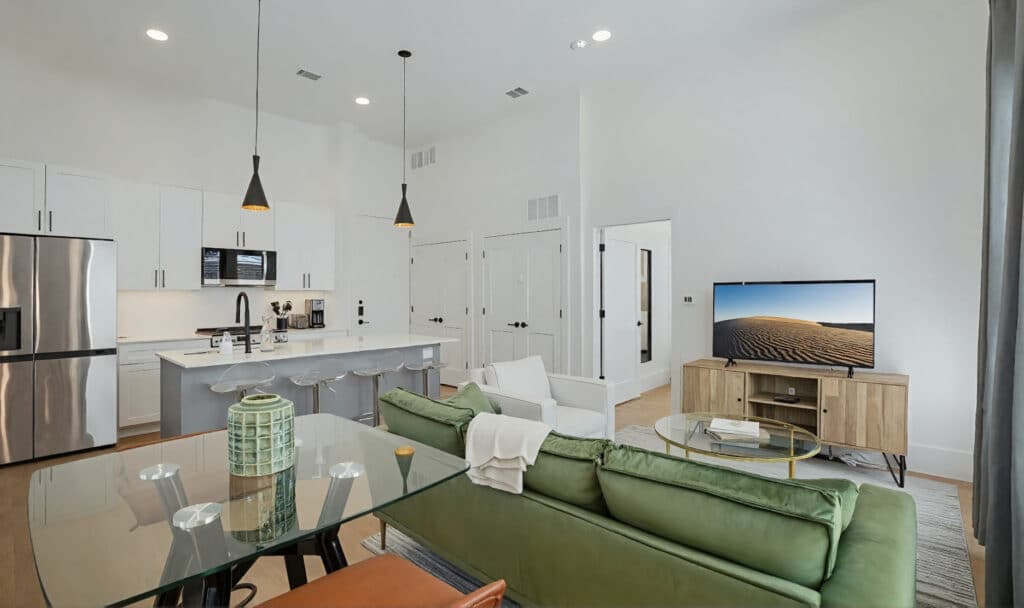 Windsor at LegacyPlano, TXFrom $1,769/mo1-2-3 · Renovated 2018
 Midway Row HouseFarmers Branch, TXFrom $1,711/mo1-2-3 · Built 2023
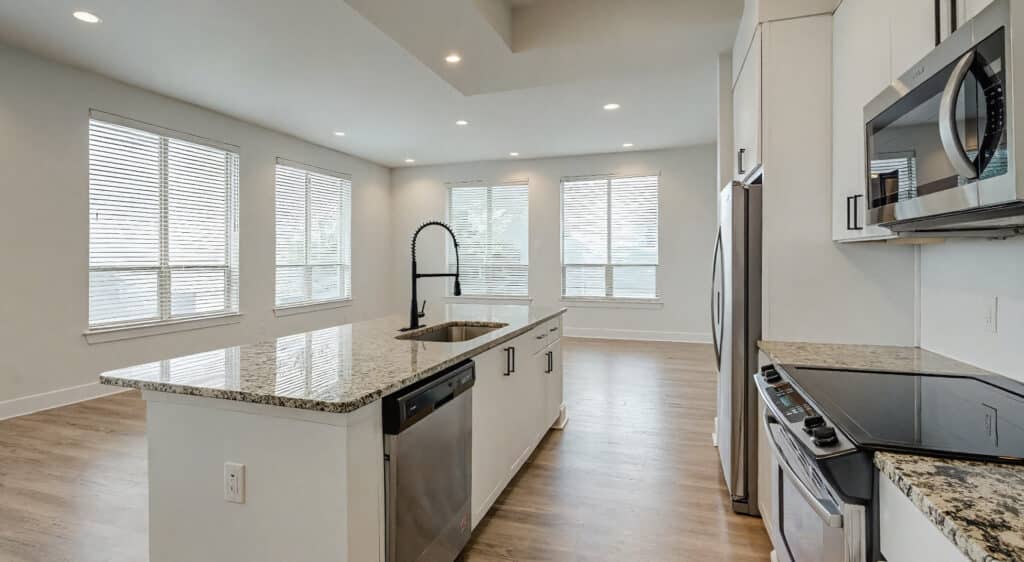 Berkshire PreserveGarland, TXFrom $1,736/mo1-2-3 · Built 2017
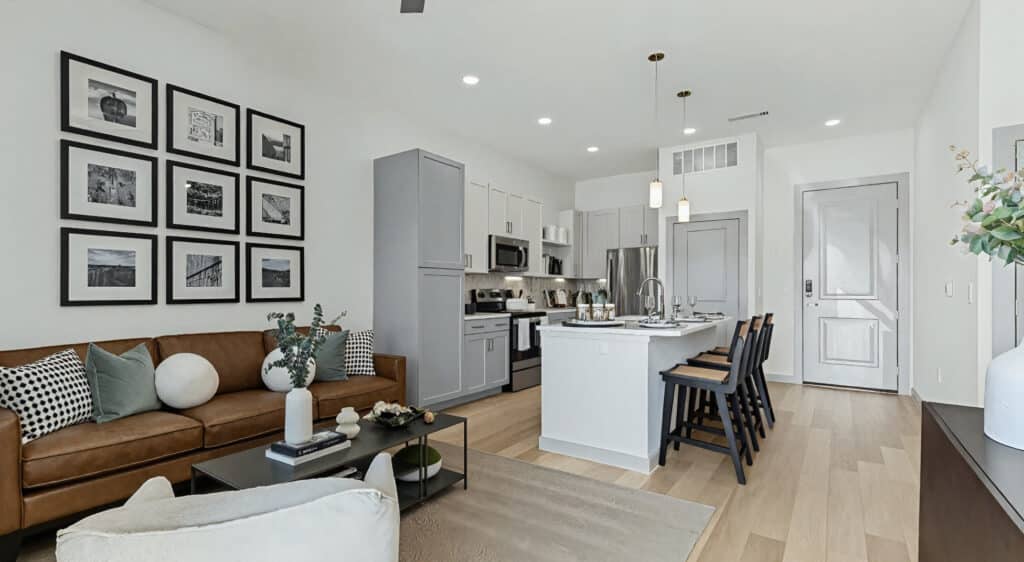 The RileyRichardson, TXFrom $1,619/mo1-2-3 · Built 2017
 The Venue Craig RanchMcKinney, TXFrom $1,622/mo1-2-3 · Built 2017
 AMLI AddisonAddison, TXFrom $1,994/mo1-2 · Built 2019
- Alleia Watters CreekAllen, TXFrom $1,837/mo1-2-3 · Built 2023
- Lantower Legacy LakesLewisville, TXFrom $1,695/mo1-2-3 · Built 2016
- The Hudson Austin RanchThe Colony, TXFrom $1,984/mo1-2-3 · Built 2016